Blog | Brentwood, TN 37027
Brentwood Clay Soil, Slab Leaks, and Hard Water
Brentwood plumbing problems are not random. They follow the ground and the water. The city sits on expansive clay soil, the water is moderately hard, and many homes were built in the 1970s and 1980s with copper supply li...
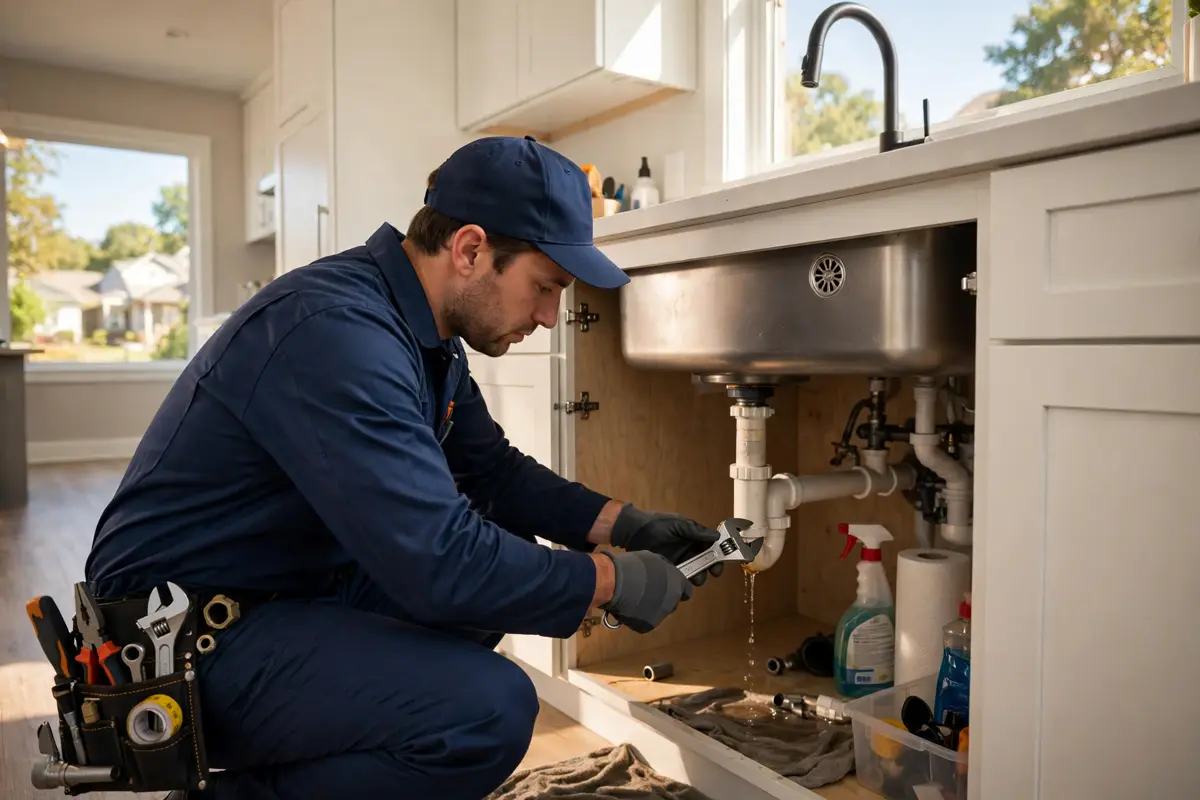
Brentwood plumbing problems are not random. They follow the ground and the water. The city sits on expansive clay soil, the water is moderately hard, and many homes were built in the 1970s and 1980s with copper supply lines. Those three facts explain most of the plumbing calls we get, and they explain why a leak in one Brentwood home often looks like a leak in the next. Clay soil swells after rain and shrinks in dry spells. That movement is slow, seasonal, and strong enough to stress buried sewer laterals, shift joints, and press on concrete slabs. A sewer line that was straight when it was laid can sag at a joint, giving roots a way in and water a place to sit. A water line under a slab can be stressed at the same joint, year after year, until it fails. The signs are familiar: a warm spot on the floor, a water bill that climbs, a drain that backs up after rain. Hard water adds the second force. Dissolved minerals leave scale on every surface water touches. Inside a water heater, scale insulates the burner and makes it rumble. On fixtures, it leaves white crust and stiffens cartridges. In pipes, it narrows flow. A tankless heater feels it first, because scale coats the heat exchanger, but a tank heater, a faucet, and a shower valve all wear faster in hard water. Copper lines from the 1970s and 1980s are the third piece. They were good pipe when they were laid, and they have served for decades. Now they develop pinhole leaks, often with green staining at the joint, and one leak often means more are coming. The three forces work together: clay movement stresses a joint, hard water corrodes it, and age finishes it. The response is not one fix, but a pattern of checks. A yearly maintenance visit looks for all three: the heater is flushed, the shut-offs are tested, the meter is checked for hidden leaks, and the drains are camera-checked where they have a history. A water softener protects heaters and fixtures from scale. A repipe ends the cycle of pinhole leaks when it starts. And a slab leak found early, with a thermal camera and a meter test, is a small repair instead of a flooring job. Brentwood is a beautiful place to live, from Crockett Park to Radnor Lake, and the ground and the water are part of that place. Knowing how they work is how you keep a home dry.
What to Do Next
If this article describes your home, start with the simple check it gives, then call us if the check points to a problem. A meter reading, a warm floor, or a sound in a quiet house are all worth a call, and a call costs nothing. For the service behind this article, see slab leak repair, our common problems guide, and our service areas in Brentwood.
Related Reading
Frequently Asked Questions
Does clay soil really affect plumbing?
Yes. It swells after rain and shrinks in dry spells, and that movement stresses buried lines, joints, and slabs over time.
Is Brentwood water hard?
Yes, moderately hard. Scale builds in heaters, on fixtures, and in valves, which is why flushing and softening matter here.
Why do older copper lines leak?
Age, water chemistry, and soil movement all wear on copper joints. Green staining is often the first clue.
What can I do about all three?
A yearly maintenance check, a water softener where it fits, and a prompt call when a bill jumps or a floor feels warm.
Need Help With This?
Call now and tell us what is happening. We will give you a plain answer and a visit time.
Mon-Fri 7AM-7PM, Sat 8AM-4PM, 24/7 Emergency